Solaris Studios
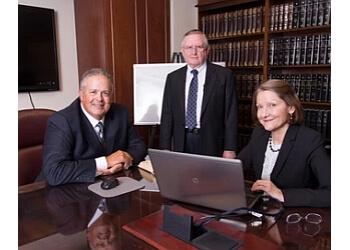
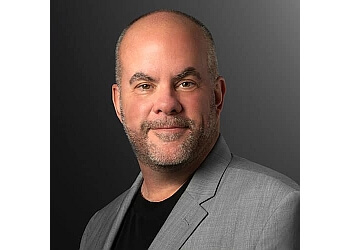
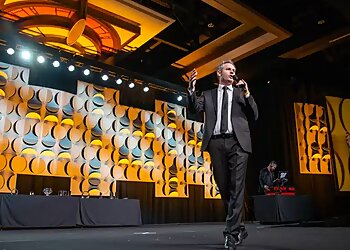
Image quality starts with consistency. For corporate and commercial clients, I do not treat every project as a one-off shoot. I build a repeatable visual standard. That includes lighting, background, cropping, color, retouching style, file naming, and delivery. If a company adds new employees later, the new headshots should still match the existing team. For corporate headshot programs, I often mask the subject from the background so the company can maintain the same look shoot after shoot, year after year. If different divisions need different backgrounds, those backgrounds are kept on file for that specific company. That allows the marketing team, HR department, and executive office to keep a consistent visual identity even as the company changes. Editing consistency is handled through a controlled retouching process. For in-studio headshots, retouching is done in front of the client through Collaborative Retouching. The client sits beside me, watches the image being refined in real time, and approves the final headshot before leaving the studio. Solaris describes this process as real-time retouching where the client is involved in the final decision, and the finished image is typically delivered to the private gallery shortly after the session. For larger shoots, team headshots, and corporate events, I use the same visual standards across the entire project. The goal is not to make every person look identical. The goal is to make every image feel like it belongs to the same company. Intellectual property is handled clearly. Solaris Studios retains copyright ownership of the photographs unless otherwise agreed in writing, while clients receive practical usage rights for their purchased images. For qualifying headshots, Solaris provides a 10-year non-exclusive license for professional and personal use, including LinkedIn, company websites, press features, speaker bios, proposals, presentations, email signatures, and other normal professional uses. Solaris also explains that clients are buying usage rights, not copyright ownership, unless a different written agreement is made. File management is a major part of quality control. Solaris Studios has maintained the digital files of every delivered client image since 2002. Each image is assigned a structured serial number and filing system, which makes it possible to locate past work accurately even years later. For repeat corporate clients, I can also provide a password-protected download page that keeps their delivered headshots, executive portraits, event images, and other projects organized in one private place. Timely delivery is handled through workflow, not guesswork. In-studio headshots are designed for same-day delivery. Larger shoots and corporate events are supported by both me and a long-term retouching assistant who has worked with Solaris Studios for years. Because he is based in Manila, the time-zone difference helps extend the production day. When his workday ends, I can pick up where he left off. That allows us to keep progress moving across rush projects and deliver large jobs more efficiently. The standard is simple: consistent images, clear usage rights, organized files, and delivery systems that work when clients need them. Image quality starts with consistency. For corporate and commercial clients, I do not treat every project as a one-off shoot. I build a repeatable visual standard. That includes lighting, background, cropping, color, retouching style, file naming, and delivery. If a company adds new employees later, the new headshots should still match the existing team. For corporate headshot programs, I often mask the subject from the background so the company can maintain the same look shoot after shoot, year after year. If different divisions need different backgrounds, those backgrounds are kept on file for that specific company. That allows the marketing team, HR department, and executive office to keep a consistent visual identity even as the company changes. Editing consistency is handled through a controlled retouching process. For in-studio headshots, retouching is done in front of the client through Collaborative Retouching. The client sits beside me, watches the image being refined in real time, and approves the final headshot before leaving the studio. Solaris describes this process as real-time retouching where the client is involved in the final decision, and the finished image is typically delivered to the private gallery shortly after the session. For larger shoots, team headshots, and corporate events, I use the same visual standards across the entire project. The goal is not to make every person look identical. The goal is to make every image feel like it belongs to the same company. Intellectual property is handled clearly. Solaris Studios retains copyright ownership of the photographs unless otherwise agreed in writing, while clients receive practical usage rights for their purchased images. For qualifying headshots, Solaris provides a 10-year non-exclusive license for professional and personal use, including LinkedIn, company websites, press features, speaker bios, proposals, presentations, email signatures, and other normal professional uses. Solaris also explains that clients are buying usage rights, not copyright ownership, unless a different written agreement is made. File management is a major part of quality control. Solaris Studios has maintained the digital files of every delivered client image since 2002. Each image is assigned a structured serial number and filing system, which makes it possible to locate past work accurately even years later. For repeat corporate clients, I can also provide a password-protected download page that keeps their delivered headshots, executive portraits, event images, and other projects organized in one private place. Timely delivery is handled through workflow, not guesswork. In-studio headshots are designed for same-day delivery. Larger shoots and corporate events are supported by both me and a long-term retouching assistant who has worked with Solaris Studios for years. Because he is based in Manila, the time-zone difference helps extend the production day. When his workday ends, I can pick up where he left off. That allows us to keep progress moving across rush projects and deliver large jobs more efficiently. The standard is simple: consistent images, clear usage rights, organized files, and delivery systems that work when clients need them.